Early Attempts to Reach the North Pole from Franz Josef Land

From the late 19th century until the early 20th century, a series of daring expeditions launched from Franz Josef Land aimed to be the first to stand at the geographic North Pole. Led by explorers such as Fridtjof Nansen, Walter Wellman, and Evelyn Baldwin, these ventures combined scientific observation with audacious sled journeys, but all fell short of their ultimate goal.
Read More →

Sea Ice Around Franz Josef Land – Trends and Research

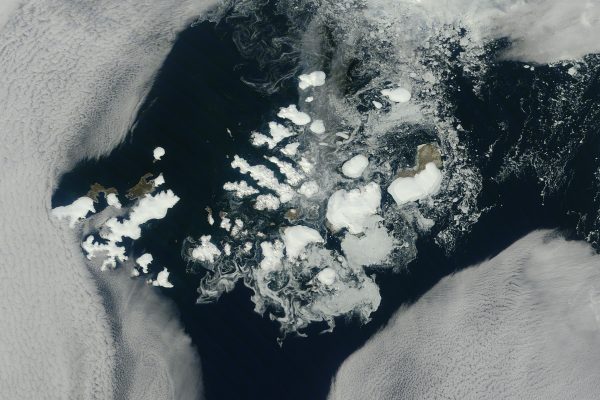
Sea ice surrounding Franz Josef Land is the seasonal pack of frozen seawater that encircles the high‑Arctic archipelago in the Barents Sea. Its extent, edge position and duration have been monitored since the early 20th century, revealing a gradual retreat linked to climate oscillations. Understanding these changes is vital for navigation, wildlife, and climate modelling.

Read More →

Polar Night in Franz Josef Land

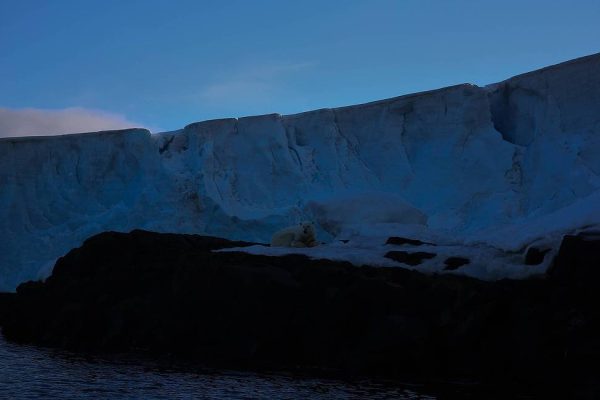
Polar night in Franz Josef Land is the period of continuous darkness that lasts about 133 days each year, beginning in early November and ending in mid‑February. It is the longest polar night in Russia, affecting the entire archipelago from Rudolf Island to Alexandra Land. The phenomenon shapes the region’s climate, wildlife behaviour, and scientific research.

Read More →

Midnight Sun in Franz Josef Land

The midnight sun is the period of continuous daylight that occurs each summer on Franz Josef Land, the high‑Arctic Russian archipelago centred at 81° N. Owing to its extreme latitude, the islands experience several months without night, profoundly influencing local climate, wildlife behaviour and scientific observations.

Read More →

Fridtjof Nansen and Hjalmar Johansen’s Journey Through Franz Josef Land

In the summer of 1895 Norwegian explorer Fridtjof Nansen and his companion Hjalmar Johansen fled their ice‑bound ship Fram and sledged northward, reaching a record latitude of 86°13.6′ N. After turning back they crossed the treacherous pack ice and reached safety at Cape Flora on Northbrook Island in Franz Josef Land, where they wintered before returning to civilization. Their trek proved the trans‑Arctic drift theory and set a new benchmark for polar travel.

Read More →