Marine Life Around Franz Josef Land

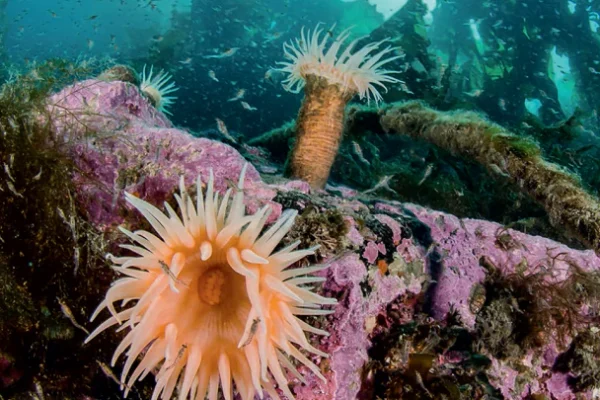
The marine fauna of Franz Josef Land comprises a modest but distinctive assemblage of Arctic fishes, dominated by endemic species and shaped by extreme ice conditions. A 2013 interdisciplinary expedition documented sixteen near‑shore fish species and highlighted the vulnerability of this community to rapid Arctic warming. These findings provide a baseline for future ecological monitoring in the high‑latitude Barents Sea.

Read More →

Polar Bears of Franz Josef Land

Polar bears (Ursus maritimus) are a resident apex predator of Franz Josef Land, the high‑Arctic archipelago in the Barents Sea. Their presence is tied to the seasonal sea‑ice that surrounds the islands, where they hunt seals and breed. Ongoing monitoring, including icebreaker surveys in 2015 and 2017, provides vital data on population density and trends in this remote region.

Read More →

How Fridtjof Nansen Met Frederick Jackson at Cape Flora

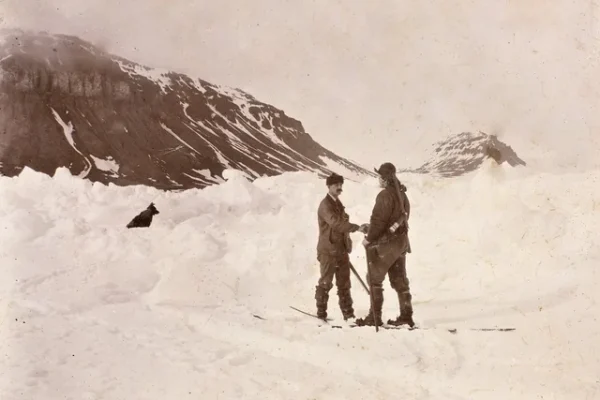
In the summer of 1895 the Fram expedition under Fridtjof Nansen and the Jackson‑Harmsworth Arctic Expedition led by Frederick G. Jackson converged on Cape Flora, the southwestern headland of Northbrook Island in Franz Josef Land. Their unexpected encounter allowed the two parties to exchange supplies, scientific observations, and information that proved crucial for the survival of both groups during the harsh Arctic winter.

Read More →

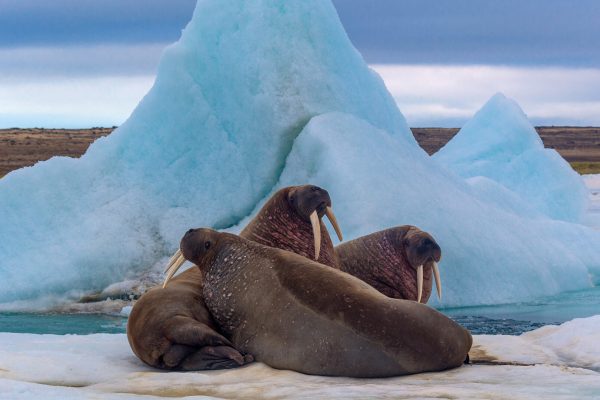
Atlantic Walruses of Franz Josef Land

The Atlantic walrus (Odobenus rosmarus rosmarus) is a key marine mammal of the high Arctic, using the ice‑bound islands of Franz Josef Land as seasonal haul‑out and foraging grounds. Recent satellite tagging shows extensive inter‑island movements and a reliance on benthic bivalves such as Hiatella arctica. Their presence links the archipelago to the broader Kara‑Barents Sea population, making them an indicator of regional ecosystem health.

Read More →

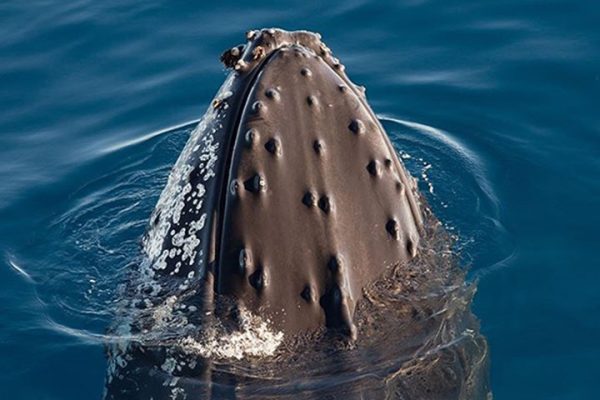
Whales of Franz Josef Land

The waters surrounding Franz Josef Land host three iconic Arctic cetaceans: the bowhead, beluga, and narwhal whales. These species rely on the seasonal sea‑ice cover of the Barents Sea for feeding, migration, and breeding. Their presence links the archipelago to the broader circumpolar marine ecosystem and underpins contemporary conservation efforts.

Read More →

Karl Weyprecht and the Austro‑Hungarian North Pole Expedition (1872–1874)

Karl Weyprecht (1838–1881) co‑led the Austro‑Hungarian North Pole Expedition of 1872‑1874 aboard the ironclad *Tegetthoff*. The voyage discovered and partially mapped Franz Josef Land, endured a 21‑month drift in pack ice, and ended with a remarkable over‑ice retreat to Norway. The expedition set a benchmark for scientific polar work and inspired later Arctic exploration.

Read More →

Stella Polare Expedition (1899–1900) and Franz Josef Land

The Stella Polare Expedition (1899–1900), led by Prince Luigi Amedeo, Duke of the Abruzzi, wintered in Franz Josef Land and reached a then‑record latitude of 86°34′ N. Using a steam‑whaler renamed Stella Polare, the Italian team conducted scientific observations while struggling against extreme ice conditions. The venture marked a pivotal step toward the North‑Pole quest and contributed valuable cartographic and meteorological data for the high Arctic.

Read More →